Effect of caffeine on blood pressure
First, the bad news for coffee-lovers with high blood pressure. Caffeine raises blood pressure. And this effect of caffeine on blood pressure is stronger the higher your blood pressure is already.
So those with high blood pressure are most at risk from the blood pressure-increasing effects of caffeine.
Now the good news. There are ways you can keep drinking coffee while managing the amount of caffeine you’re getting.
Direct effect of caffeine on blood pressure
Caffeine can raise blood pressure through causing blood vessels to contract. It may also block a hormone which keeps arteries dilated (relaxed). And it may trigger the release of adrenaline which increases blood pressure.
Caffeine is also a diuretic, which means that it causes your body to eliminate more fluid than you actually drank. Since dehydration leads to higher blood pressure, caffeine also puts you at risk of higher blood pressure this way too.
You might think that this effect of a cup of coffee, or strong tea or another caffeinated drink, only lasts for an hour or two. However, caffeine can persist in the body for an entire day and keep affecting the body all this time. Caffeine consumed in the morning can affect you even when you go to bed.
And as well as raising blood pressure directly, caffeine can also increase your blood pressure through its other effects on your body too. Although one cup on its own is not a big risk, the effects are cumulative, so cup after cup, day after day, it adds up.
The converse of this is that any reduction you make in your caffeine intake also adds up – even small changes can have big effects in the long-term. So it’s a good idea to cut down your daily intake of caffeine.
Indirect effects of caffeine on blood pressure
Caffeine not only increases blood pressure directly but also contributes to indirect effects of caffeine on blood pressure. For example, caffeine increases the level of stress experienced physically and mentally. And of course it has long been known that stress contributes to high blood pressure…
Caffeine and stress and high blood pressure
Research conducted at Duke University in the US, showed that caffeine increased the levels of stress hormones in the body and amplified people’s perceptions of stress, as well as increasing heart rate and blood pressure.
Here’s how the experiment worked. Habitual coffee drinkers had their response to caffeine measured on two randomly chosen days. On one of these days they were given two capsules containing 250mg of caffeine in the morning and at lunchtime – the equivalent of about four cups of coffee in total. On another day they were given identical placebo capsules at the same times – so that they didn’t know which was which.
The days when they were given the caffeine capsules, the participants had significantly higher systolic and diastolic blood pressure levels throughout the day – and night, and also higher adrenaline levels (32% higher).
These physiological effects were highest at the points in the day when the participants reported feeling the most psychologically stressed.
In other words, according to Dr James D. Lane, the research professor leading the study,
The caffeine we drink enhances the effects of the stresses we experience, so if we have a stressful job, drinking coffee makes our body respond more to the ordinary stresses we experience. The combination of stress and caffeine has a multiplying, or synergistically negative effect.
Caffeine, stress and high blood pressure – what to do about it?
So caffeine not only contributes to higher blood pressure directly, but also intensifies the effect of any stress you experience. Stress is known to be a major contributor to high blood pressure. So that’s all the more reason to reduce the amount of caffeine you drink, or eliminate it entirely. And it’s probably a good idea to cut down on caffeine even if you don’t have high blood pressure!
And this is what the researchers recommend (Dr James D. Lane again):
I think that people who feel ‘stressed out’ should at least consider quitting caffeine to see if they feel better. Quitting caffeine could be particularly beneficial for people suffering from high blood pressure, just as diet and exercise can help keep blood pressure under control.
Most importantly, when you’re feeling stressed, don’t go for a cup of coffee. Try a relaxing herbal tea like camomile instead. Or if you really can’t give up coffee in times of pressure, go for decaf. You might be able to drink normal coffee at other times – this is all discussed below. But if you have high blood pressure you really need to lay off coffee when you’re stressed.
How much caffeine should I have?
Many sources recommend limiting your caffeine intake to 200mg caffeine per day. This is roughly the equivalent of two 12 ounce cups of brewed (non-espresso) coffee per day.
However, there are other factors to consider when figuring out what amount will suit you:
Personal Physiology
In general, the smaller and lighter you are, the more caffeine is likely to affect you. So you you’ll probably need to stick to a lower daily caffeine limit than 200mg.
At the other end of the scale(s), if you are overweight, caffeine is likely to have a greater effect on your blood pressure. So you will also need to keep to a lower daily caffeine intake.
Age
Also, the older you get the more your blood pressure is likely to react to caffeine. This is especially the case once you’re over 70 or so.
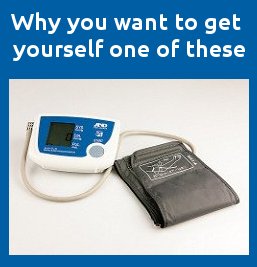
Find out for yourself how caffeine affects your blood pressure
To get a rough idea how much caffeine may affect your blood pressure, check your blood pressure.
Do a blood pressure reading before drinking caffeine, then 30-60 minutes after drinking caffeine. If it’s 5-10 points higher, then you are likely to be sensitive to it.
If you don’t yet have a blood pressure monitor of your own then it’s a good idea to get one. Read more about that in our article here: (Why) do I need a blood pressure monitor?
But what if I have a good tolerance for caffeine?
It’s true that if you drink caffeine regularly, you may develop a tolerance to it, such that it doesn’t affect you quite as intensely as those who drink coffee only occasionally. So you might think that if you have a regular coffee habit, you don’t need to worry about its effect on your blood pressure.
This is not necessarily the case! Long-term studies have shown a clear relationship between the amount of coffee consumed daily and blood pressure levels, which suggest that you don’t become completely immune to caffeine’s blood pressure raising effects. And all the participants in the Duke University study described above were all habitual coffee drinkers, yet still showed significant increases in blood pressure, and signs of stress, after consuming caffeine.
So, however little you feel it affects you, better to be safe than sorry and cut down the caffeine.
How to reduce the effects of caffeine on blood pressure without drinking less coffee
If you drink a lot of coffee and have high blood pressure then it’s likely you’re going to need to drink less coffee. But there are other things you can do to try to reduce the effect of caffeine in blood pressure.
This is because the effect of caffeine intake may be exacerbated by other substances or activities which also increase your blood pressure. So:
Avoid caffeine before doing exercise or any highly energetic activity – hard labour, workouts, runs, brisk walks. These already raise your blood pressure, and the extra effect of caffeine can mean your heart has to work too hard. Stay away from caffeine for at least an hour before getting into it – drink water instead.
Don’t smoke and drink coffee – tobacco also raises blood pressure by constricting your blood vessels, so coffee and a cigarette aren’t such a perfect combination for your blood pressure!
How to drink less coffee (whilst not giving it up completely)
There are various ways to drink less caffeine without having to give up coffee completely.
One thing to keep in mind though is that it’s best to reduce the amount of caffeine you’re getting gradually – as a sudden drop in can give you mild withdrawal symptoms like headaches. Here’s what you can do:
Drink coffee that’s lower in caffeine
As well as simply drinking less cups of coffee, you can also lower your caffeine intake by switching to a lower-caffeine kind of coffee – if you really can’t bear to drink decaf!
In general, espresso coffees contain less caffeine than brewed/filter coffee, and coffee made from Arabica coffee beans contains half the caffeine of coffee made from robusta beans.
A good way to control your caffeine levels is to make your own coffee. Experiment with different flavours and methods to see what you like, and take the time to make a really good coffee that you’ll really relish and enjoy – quality rather than quantity – and with less caffeine!
- The Beans: Robusta beans, which are usually used to make instant (or other low-grade) coffee, contain twice as much caffeine as Arabica beans, which are used in making espresso-based coffee. Gourmet coffees are usually Arabica beans, although some Italian espresso beans are Robusta.
- Colour: Contrary to what you might think, darker coffee beans tend to contain slightly less caffeine because the longer time they are roasted for breaks down the caffeine molecules more (though this is a wee bit controversial, with some arguing that it doesn’t make much difference)
- Grind: Finer grinds have a higher caffeine content.
- Brewing Time: The longer coffee is brewed for, the higher the caffeine content. So press down the plunger in your cafetiere a bit sooner to slightly limit the caffeine.
NOTE: There’s a very informative article on the caffeine content of different types of coffee here: High Caffeine Coffee – Which Coffee is the Strongest?
Drink tea instead of coffee
You can also – wholly or partially – replace coffee with other less-caffeinated drinks like black tea and green tea. Remember that these still contain caffeine, though much less than coffee, so remember to factor in their caffeine content when figuring out how to stay under your daily caffeine limit.
More and more research is showing how tea has beneficial effects for blood pressure, as well as being lower in caffeine.
Tea is full of flavonoids, a type of antioxidant that’s good for the heart and circulatory system, among other things, and regular tea drinking is associated with lower blood pressure and risk of heart attack and stroke. Time for a cuppa!
As with coffee, the less time you brew the tea for, the less caffeine it will contain. So try steeping your teabag or tea leaves for a little less time each day, and get used to a slightly weaker tea.
Drink herbal teas and cordials
And of course you can replace coffee with non-caffeinated drinks like herbal teas and cordials. Herbal teas have many health benefits for blood pressure. Some, like camomile, are relaxing and so help your blood pressure indirectly by calming your stress levels. Others – such as hibiscus tea act directly to lower blood pressure.
Rooibos (pronounced “roybush”) is an increasingly popular South African tea which tastes a bit like black tea but contains no caffeine. Rooibos is particularly good in iced tea or Chai tea, so is a good tea alternative.
Lower your blood pressure naturally in other ways too
As we’ve seen, the effects of caffeine on blood pressure can be quite significant – but so can the effects of many other foods and drinks. So one of the most direct ways you can lower your blood pressure is to make a few changes to other things you eat and drink.
It’s not all about eating or drinking less of what you like, but a lot about adding good foods and drinks. There is actually a large choice of affordable natural ingredients that lower blood pressure. Many of these spices, herbs, berries, fruits, grains, vegetables, meats and drinks are available in local stores.
Of course there are other factors beyond diet (like fitness and stress) that affects your blood pressure. So the best way to lower your blood pressure without drugs is to apply a broader approach – covering all causes and cures with natural home-based remedies.
 The guide contains simple and proven strategies for lowering your blood pressure and keeping it low through easy, effective and enjoyable changes in lifestyle.
These progressive steps are based on the principle that positive incremental change is always best in health matters.
Each chapter will take you further along the road of greater vigour and peace of mind (and a healthy blood pressure).
Click on the link below for more information:
Lower Your Blood Pressure Naturally Guide
P.S. This guide shows you how to lower your blood pressure permanently and naturally without side-effects or complications.
Follow each step to get your blood pressure back in balance.
Choose between a wide range of delicious foods that reduce your blood pressure. Include a number of mental and physical exercises in your schedule for both relaxation and invigoration.
Following this guide will reduce, and in time, eliminate your need for blood pressure lowering medications.
This is a guide for good healthy living and will be beneficial for all – even if you don’t currently suffer from high blood pressure.
