Effect of caffeine on blood pressure

First, the bad news for coffee-lovers with high blood pressure. Caffeine raises blood pressure. And this effect of caffeine on blood pressure is stronger the higher your blood pressure is already.

So those with high blood pressure are most at risk from the blood pressure-increasing effects of caffeine.

Now the good news. There are ways you can keep drinking coffee while managing the amount of caffeine you’re getting.


Direct effect of caffeine on blood pressure

Caffeine can raise blood pressure through causing blood vessels to contract. It may also block a hormone which keeps arteries dilated (relaxed). And it may trigger the release of adrenaline which increases blood pressure.

Caffeine is also a diuretic, which means that it causes your body to eliminate more fluid than you actually drank. Since dehydration leads to higher blood pressure, caffeine also puts you at risk of higher blood pressure this way too.

You might think that this effect of a cup of coffee, or strong tea or another caffeinated drink, only lasts for an hour or two. However, caffeine can persist in the body for an entire day and keep affecting the body all this time. Caffeine consumed in the morning can affect you even when you go to bed.

And as well as raising blood pressure directly, caffeine can also increase your blood pressure through its other effects on your body too. Although one cup on its own is not a big risk, the effects are cumulative, so cup after cup, day after day, it adds up.

The converse of this is that any reduction you make in your caffeine intake also adds up – even small changes can have big effects in the long-term. So it’s a good idea to cut down your daily intake of caffeine.


Indirect effects of caffeine on blood pressure

Caffeine not only increases blood pressure directly but also contributes to indirect effects of caffeine on blood pressure. For example, caffeine increases the level of stress experienced physically and mentally. And of course it has long been known that stress contributes to high blood pressure…

Caffeine and stress and high blood pressure

Research conducted at Duke University in the US, showed that caffeine increased the levels of stress hormones in the body and amplified people’s perceptions of stress, as well as increasing heart rate and blood pressure.

Here’s how the experiment worked. Habitual coffee drinkers had their response to caffeine measured on two randomly chosen days. On one of these days they were given two capsules containing 250mg of caffeine in the morning and at lunchtime – the equivalent of about four cups of coffee in total. On another day they were given identical placebo capsules at the same times – so that they didn’t know which was which.

The days when they were given the caffeine capsules, the participants had significantly higher systolic and diastolic blood pressure levels throughout the day – and night, and also higher adrenaline levels (32% higher).

These physiological effects were highest at the points in the day when the participants reported feeling the most psychologically stressed.

In other words, according to Dr James D. Lane, the research professor leading the study,

The caffeine we drink enhances the effects of the stresses we experience, so if we have a stressful job, drinking coffee makes our body respond more to the ordinary stresses we experience. The combination of stress and caffeine has a multiplying, or synergistically negative effect.

Caffeine, stress and high blood pressure – what to do about it?

So caffeine not only contributes to higher blood pressure directly, but also intensifies the effect of any stress you experience. Stress is known to be a major contributor to high blood pressure. So that’s all the more reason to reduce the amount of caffeine you drink, or eliminate it entirely. And it’s probably a good idea to cut down on caffeine even if you don’t have high blood pressure!

And this is what the researchers recommend (Dr James D. Lane again):

I think that people who feel ‘stressed out’ should at least consider quitting caffeine to see if they feel better. Quitting caffeine could be particularly beneficial for people suffering from high blood pressure, just as diet and exercise can help keep blood pressure under control.

Most importantly, when you’re feeling stressed, don’t go for a cup of coffee. Try a relaxing herbal tea like camomile instead. Or if you really can’t give up coffee in times of pressure, go for decaf. You might be able to drink normal coffee at other times – this is all discussed below. But if you have high blood pressure you really need to lay off coffee when you’re stressed.


How much caffeine should I have?

Many sources recommend limiting your caffeine intake to 200mg caffeine per day. This is roughly the equivalent of two 12 ounce cups of brewed (non-espresso) coffee per day.

However, there are other factors to consider when figuring out what amount will suit you:

Personal Physiology

In general, the smaller and lighter you are, the more caffeine is likely to affect you. So you you’ll probably need to stick to a lower daily caffeine limit than 200mg.

At the other end of the scale(s), if you are overweight, caffeine is likely to have a greater effect on your blood pressure. So you will also need to keep to a lower daily caffeine intake.

Age

Also, the older you get the more your blood pressure is likely to react to caffeine. This is especially the case once you’re over 70 or so.
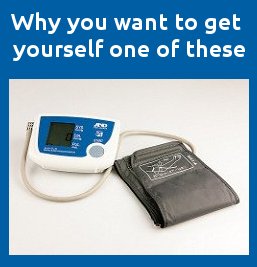
blood pressure monitor

Find out for yourself how caffeine affects your blood pressure

To get a rough idea how much caffeine may affect your blood pressure, check your blood pressure.

Do a blood pressure reading before drinking caffeine, then 30-60 minutes after drinking caffeine. If it’s 5-10 points higher, then you are likely to be sensitive to it.

If you don’t yet have a blood pressure monitor of your own then it’s a good idea to get one. Read more about that in our article here: (Why) do I need a blood pressure monitor?

But what if I have a good tolerance for caffeine?

It’s true that if you drink caffeine regularly, you may develop a tolerance to it, such that it doesn’t affect you quite as intensely as those who drink coffee only occasionally. So you might think that if you have a regular coffee habit, you don’t need to worry about its effect on your blood pressure.

This is not necessarily the case! Long-term studies have shown a clear relationship between the amount of coffee consumed daily and blood pressure levels, which suggest that you don’t become completely immune to caffeine’s blood pressure raising effects. And all the participants in the Duke University study described above were all habitual coffee drinkers, yet still showed significant increases in blood pressure, and signs of stress, after consuming caffeine.

So, however little you feel it affects you, better to be safe than sorry and cut down the caffeine.


How to reduce the effects of caffeine on blood pressure without drinking less coffee

If you drink a lot of coffee and have high blood pressure then it’s likely you’re going to need to drink less coffee. But there are other things you can do to try to reduce the effect of caffeine in blood pressure.

This is because the effect of caffeine intake may be exacerbated by other substances or activities which also increase your blood pressure. So:

Avoid caffeine before doing exercise or any highly energetic activity – hard labour, workouts, runs, brisk walks. These already raise your blood pressure, and the extra effect of caffeine can mean your heart has to work too hard. Stay away from caffeine for at least an hour before getting into it – drink water instead.

Don’t smoke and drink coffee – tobacco also raises blood pressure by constricting your blood vessels, so coffee and a cigarette aren’t such a perfect combination for your blood pressure!


How to drink less coffee (whilst not giving it up completely)

There are various ways to drink less caffeine without having to give up coffee completely.

One thing to keep in mind though is that it’s best to reduce the amount of caffeine you’re getting gradually – as a sudden drop in can give you mild withdrawal symptoms like headaches.  Here’s what you can do:

Drink coffee that’s lower in caffeine

As well as simply drinking less cups of coffee, you can also lower your caffeine intake by switching to a lower-caffeine kind of coffee – if you really can’t bear to drink decaf!

In general, espresso coffees contain less caffeine than brewed/filter coffee, and coffee made from Arabica coffee beans contains half the caffeine of coffee made from robusta beans.

A good way to control your caffeine levels is to make your own coffee. Experiment with different flavours and methods to see what you like, and take the time to make a really good coffee that you’ll really relish and enjoy – quality rather than quantity – and with less caffeine!

  • The Beans: Robusta beans, which are usually used to make instant (or other low-grade) coffee, contain twice as much caffeine as Arabica beans, which are used in making espresso-based coffee. Gourmet coffees are usually Arabica beans, although some Italian espresso beans are Robusta.
  • Colour: Contrary to what you might think, darker coffee beans tend to contain slightly less caffeine because the longer time they are roasted for breaks down the caffeine molecules more (though this is a wee bit controversial, with some arguing that it doesn’t make much difference)
  • Grind: Finer grinds have a higher caffeine content.
  • Brewing Time: The longer coffee is brewed for, the higher the caffeine content. So press down the plunger in your cafetiere a bit sooner to slightly limit the caffeine.

NOTE: There’s a very informative article on the caffeine content of different types of coffee here: High Caffeine Coffee – Which Coffee is the Strongest?

Drink tea instead of coffee

You can also – wholly or partially – replace coffee with other less-caffeinated drinks like black tea and green tea. Remember that these still contain caffeine, though much less than coffee, so remember to factor in their caffeine content when figuring out how to stay under your daily caffeine limit.

More and more research is showing how tea has beneficial effects for blood pressure, as well as being lower in caffeine.

Tea is full of flavonoids, a type of antioxidant that’s good for the heart and circulatory system, among other things, and regular tea drinking is associated with lower blood pressure and risk of heart attack and stroke. Time for a cuppa!

As with coffee, the less time you brew the tea for, the less caffeine it will contain. So try steeping your teabag or tea leaves for a little less time each day, and get used to a slightly weaker tea.

Drink herbal teas and cordials

And of course you can replace coffee with non-caffeinated drinks like herbal teas and cordials. Herbal teas have many health benefits for blood pressure. Some, like camomile, are relaxing and so help your blood pressure indirectly by calming your stress levels. Others – such as hibiscus tea act directly to lower blood pressure.

Rooibos (pronounced “roybush”) is an increasingly popular South African tea which tastes a bit like black tea but contains no caffeine. Rooibos is particularly good in iced tea or Chai tea, so is a good tea alternative.

Lower your blood pressure naturally in other ways too

As we’ve seen, the effects of caffeine on blood pressure can be quite significant – but so can the effects of many other foods and drinks.  So one of the most direct ways you can lower your blood pressure is to make a few changes to other things you eat and drink.

It’s not all about eating or drinking less of what you like, but a lot about adding good foods and drinks. There is actually a large choice of affordable natural ingredients that lower blood pressure. Many of these spices, herbs, berries, fruits, grains, vegetables, meats and drinks are available in local stores.

Of course there are other factors beyond diet (like fitness and stress) that affects your blood pressure. So the best way to lower your blood pressure without drugs is to apply a broader approach – covering all causes and cures with natural home-based remedies.

lower your blood pressure naturallyThe guide contains simple and proven strategies for lowering your blood pressure and keeping it low through easy, effective and enjoyable changes in lifestyle.

These progressive steps are based on the principle that positive incremental change is always best in health matters.

Each chapter will take you further along the road of greater vigour and peace of mind (and a healthy blood pressure).

Click on the link below for more information:

Lower Your Blood Pressure Naturally Guide

P.S. This guide shows you how to lower your blood pressure permanently and naturally without side-effects or complications.

Follow each step to get your blood pressure back in balance.

Choose between a wide range of delicious foods that reduce your blood pressure. Include a number of mental and physical exercises in your schedule for both relaxation and invigoration.

Following this guide will reduce, and in time, eliminate your need for blood pressure lowering medications.

This is a guide for good healthy living and will be beneficial for all – even if you don’t currently suffer from high blood pressure.

Effects of sleep on blood pressure

effects of sleep on blood pressureWe all know that we get grumpy and irritable when we’re not getting enough sleep (okay, I do anyway). But the effects of not getting adequate sleep can be more subtle than that.

For example, did you know that how much sleep you get – and how well you sleep – can affect your blood pressure?


The effects of sleep on blood pressure

The effects of sleep on blood pressure can be quite profound. In fact, several studies over the past decade have found a link between poor sleep quality and quantity and higher blood pressure.

For example, one study that followed hundreds of early-middle-aged people for six years found that when they got less sleep (less than 7 or 8 hours), or didn’t sleep well, they were more likely to have higher blood pressure. Their statistics showed that roughly each hour of sleep that was ‘missed’ equated to a third greater risk of having high blood pressure.

Other studies have found similar effects. There are many factors responsible for the effects of sleep on blood pressure. For one thing, sleep is important for processing stress hormones. So not getting enough good sleep can lead to lingering high levels of stress hormones, which can increase inflammation in the body (which is implicated in high blood pressure and many other health problems), and narrow the arteries, increasing blood pressure.

(UPDATE, April 2016: A study at the University of Helsinki, Finland, has found that insufficient sleep also affects cholesterol metabolism, resulting in lower levels of high-density lipoproteins (the “good” cholesterol that your body needs). This explains why even mild sleep deprivation is associated with higher risk of cardiovascular disease, including atherosclerosis.)

As well as the effects of sleep on blood pressure, not enough good sleep is also linked with greater risk of heart disease, obesity, diabetes, as well as cancer, depression, and memory and concentration problems. So it’s important to make sure you’re getting enough.


How much sleep do I need?

Scientists generally consider that 7-8 hours a night of sleep is what most people need for our bodies to do all the things they need to do during sleep.

Even if you know you can manage on less sleep, your body may not be coping as well as you think, and adverse effects on your health can quietly be building up.

However, the effects of sleep on blood pressure are not just to do with how much we sleep but also when we sleep.


When we sleep – and its effects on blood pressure

Our body clocks, over millennia, are ‘programmed’ for sleeping at night, during hours of darkness. However, our society and working culture tends to place different demands on us, such that many of us now find it difficult to go to bed after sunset and wake with the dawn.

Having a good ‘power nap’ during the day can certainly help, but napping or sleeping at other times isn’t enough to compensate for lack of sleep at night.

Shift workers are most obviously affected, but any of us who find ourselves too busy or stressed to unwind and get a good night’s sleep are potentially placing a great strain on our body.

In fact, scientists are becoming extremely concerned with the increasing restrictions on sleep that modern society places on us, and the effects of sleep on blood pressure that result.

Scientists from Harvard University in the US, and Oxford, Cambridge, Manchester and Surrey Universities in the UK recently went so far as to warn that our society is “supremely arrogant” when it comes to dismissing the importance of sleep.


Screen dreams – or nightmares?

Another issue affecting our sleep in recent years is the prevalance of brightly lit screens in our lives – computers, laptops, tablets, smartphones, etc.

Light is what synchronises our body clock, so light at night can disrupt our natural sleep cycle. The problem is that the type of light that our electronic devices emit (in the blue end of the light spectrum) is exactly the kind of light that will disrupt our body clock. Energy-efficient light bulbs can have a similar effect.

According to Prof Charles Czeisler, from Harvard University, “Light exposure, especially short wavelength blue-ish light in the evening, will reset our circadian rhythms to a later hour, postponing the release of the sleep-promoting hormone melatonin and making it more difficult for us to get up in the morning.

“It’s a big concern that we’re being exposed to much more light, sleeping less and, as a consequence, may suffer from many chronic diseases.”


Can I reduce the effects of sleep on blood pressure?

The effects of sleep on blood pressure are biological, so there’s not much you can do to change the actual effects of sleep on blood pressure.

However, as we’ve seen, how much you sleep, how you sleep and when you sleep can be seriously affected by our lifestyles – so if you make a few changes, you can give yourself a good chance of getting better sleep and thus make sure the effects of sleep on blood pressure are good effects!

UPDATE: Research now shows that having a noontime nap is linked with lower blood pressure, and that this can help compensate for not getting enough sleep at night. So if you can make time for a little siesta, do so.


How to get a good night’s sleep

So what can you do? Well, one of the most important things is to establish a regular rhythm as to when you go to bed and get up. This helps your body regulate itself effectively, and get into a good sleeping pattern.

Another thing is to look at your sleeping conditions. Having your room well-aired, and not too hot or too cold, and as dark as possible, and of course quiet, all go a long way to helping you settle into deep sleep once you do fall asleep.

You can also take a look at how you spend your evening, particularly the last hour or two before bed. Avoid alcohol, nicotine (and of course, caffeine), and big meals too close to bedtime as these can keep you up or lead to unsettled sleep. A cup of relaxing herbal tea can help you unwind instead. And it can be helpful to get into a nice routine before, or as, you get ready for bed, to help you gradually switch off from your concerns and get in the mood for sleep.

And last, but absolutely not least – turn off your laptops, smartphones, iPads etc.,  well before you go to bed – most scientists recommend having at least one hour before bed that’s screen-free. As one scientist, Dr Lipman, puts it, have “an electronic sundown.” You’ll probably find this makes it easier for your mind to wind down before bed as well.

And your body will certainly thank you.


More ways to lower your blood pressure naturally

You can also find out a lot more about how to get yourself into a good regular sleeping pattern in our guide:

Lower Your Blood Pressure Naturally – The Complete 9 Step Guide

Step 9 of the guide looks at the effects of sleep on blood pressure. However, there are many other factors (like diet, fitness and stress) that affect your blood pressure.

So if you want to lower your blood pressure (without having to take blood pressure-lowering medications), the best way is to apply a broad approach, using natural home-based remedies to cover all possible causes.effects of sleep on blood pressure

This guide will help you do that. It contains simple and proven strategies to lower your blood pressure and keep it low through easy, effective and enjoyable changes in lifestyle.

It takes you through these in nine easy-to-follow steps. These progressive steps are based on the principle that positive incremental change is always best in health matters, and each chapter will take you further along the road of greater vigour and peace of mind (and a healthy blood pressure).

Choose between a wide range of delicious foods that reduce your blood pressure. Include a number of mental and physical exercises in your schedule for both relaxation and invigoration (including plenty tips on sleeping soundly).


Some references:

https://articles.mercola.com/sites/articles/archive/2010/10/02/secrets-to-a-good-night-sleep.aspx

https://www.huffingtonpost.com/christiane-northrup/sleep-a-surprising-way-to_b_431845.html

https://www.bbc.co.uk/news/health-27286872

https://www.eurekalert.org/pub_releases/2016-04/uoh-sld042116.php

https://www.heraldscotland.com/news/14446604.Study_links_lack_of_sleep_to_development_of_cardiovascular_disease/


Supplements That Help Reduce Blood Pressure

Having – or getting – healthy blood pressure is all about making sure your body has what it needs to keep itself in balance. It’s a bit like conducting an orchestra – many elements are needed!

Making sure you’re getting the large-scale nutrients like fibre, protein and fat is one thing, but it’s quite difficult to discern whether you’re getting enough vitamins and minerals. Although you need much smaller amounts of these, they are no less important – and for healthy blood pressure they are vital.

supplements that help reduce blood pressure - nor not?Potassium, calcium and magnesium are the minerals best known for helping to reduce or prevent high blood pressure, interacting to keep your blood vessels relaxed and dilated.

Of the vitamins, the antioxidant properties of vitamins C and E are known to protect the lining of your arteries, while the B vitamins and vitamin D work with other substances in the body to regulate blood pressure.


To supplement or not to supplement?

There’s two approaches to supplementing. One is to take supplements to ensure you’re getting enough of the essential elements, and the other is to take supplements of ‘extra’ nutrients that are good for you which you wouldn’t normally get in your daily diet.

Making sure to get enough of the essential vitamins and minerals

Is it necessary to take supplements though, or can we get enough of the essential elements we need to stay healthy from what we eat and drink?

That is the big health question. The debate has been going on for a while and shows no sign of stopping.

Supplements are necessary to ensure you’re getting enough nutrients…

Some argue that it’s impossible to get enough of the important vitamins and minerals from food, and that it’s necessary to supplement this by taking vitamin and mineral pills.

One of the reasons you may not be getting enough essential nutrients needed is that you’re not eating a varied and balanced enough diet – not eating many vegetables, for example. However, even if you are eating very well, the effects of decades of large-scale intensive farming is that in many places soils are depleted of nutrients (and that’s not counting the negative effects of pesticides and herbicides). Which means the foods grown in such soils are less nutritious than in previous years. (Depending on your age, you might have noticed that many fruits and vegetables have less flavour than they used to. Certainly, my mum says she remembers when carrots and peas and grapes had more intense flavours than they do today.) In this case, supplements may be useful to supply the missing nutrients. (Of course, eating organic food, if you can get it and if you can afford it, will also help.)

Or supplements aren’t effective and are a waste of money… ?

Others argue that the body can’t extract the right substances in the right form from supplements as well as it can from natural food, and so taking supplements is ineffective, and a waste of money.

For example, one Harvard nutrition scientist once famously said that vitamin supplements are “expensive urine” (Victor Herbert, quoted in Time magazine). Indeed, even those in favour of taking supplements admit this may be true in many cases. This is because poorly made supplements contain isolated nutrients in synthetic forms which the body doesn’t recognise as food and can’t absorb. The chemicals are then passed out in your urine.

Obviously, how well you can actually absorb and benefit from a supplement depends to a large extent on the quality of the supplement. As supplements become more popular, there seems to be an increase both in mass suppliers knocking out cheap synthetic supplements and companies carefully creating supplements from high quality botanical ingredients. (The ‘bioavailability’ of the ingredients of the supplement can also be affected by what you take it with – more on this below.)

As for the general question of supplementing or not, it doesn’t seem to be unequivocally answered by research yet. There’s some evidence for both points of view.


Taking ‘super’ supplements

Even if you’re confident you’re getting everything you need from either your diet alone, or your diet plus basic supplements, you might want to take additional supplements too. These would be of substances which have additional health benefits but which you’re almost certainly not getting in what you regularly eat and drink.

For example, turmeric has had a lot of press in recent years because the exceptional properties of a substance it contains called curcumin. (You can read more about this in our article here: Turmeric for lower blood pressure). Curcumin is a powerful anti-inflammatory and, as such, is helpful in treating multiple health conditions, including high blood pressure.

One thing’s for sure: you need to eat well

What is agreed, however, is that there is NO substitute for a healthy well-rounded diet, with a healthy adequately active lifestyle. With your health and food, everything is connected. Vitamins and minerals and other food substances interact with each other, and this affects how well they are absorbed and stored by the body, and how they work once in the body. So even taking one super-supplement in isolation won’t help much if you’re not getting enough of other substances that it works in concert with.

So the best approach is to build yourself a balanced varied diet – of real food, organic if you can. If you put some effort and attention into eating enough healthy foods each day, there should be no problem with getting the nutrients and elements you need – in most cases. We know the body can effectively absorb nutrients from food – or relatively unprocessed foods anyway – and you’ll also save money on supplements.

(For more information on healthy diets as they pertain to healthy blood pressure, you can browse the many articles on this website, or start with our overview here: High blood pressure diets)

Having said that, there are some things that it may be difficult to get enough of, or are just so important that you don’t want to take any chances – so for those, it’s beneficial to take supplements.

Also, if you’re travelling, or in some other situation where it might be difficult for you to maintain your ideal food schedule, then supplements can be a good temporary back-up.


Supplements that help reduce blood pressure

How much of each vitamin/mineral?

National health authorities usually give RDAs – recommended daily allowances – for each vitamin and mineral. So you want to at least be getting that much. These are based on just keeping most people in basic health though, i.e., preventing deficiencies, and don’t take account of specific health conditions, like high blood pressure. For optimal health – and to improve your blood pressure levels – you’re often best to take more than the RDA.

For example, the DASH diet (Dietary Approaches to Stop Hypertension) outlined by US health authorities, recommends that you get 500mg of magnesium daily (100mg more than the RDA), and of 1250mg a day of calcium (250mg more than the RDA).

Balancing supplements and diet

So consider the amount of something that you want to take. Some things are difficult to get enough of just from natural sources – vitamin D, for example – so it’s advisable to take a regular supplement that gives you at least your full RDA.

Some things you may just want to take a supplement as an extra – to supplement what you’re already getting from your diet. In that case, allow for that when figuring out how strong a supplement you want to take. If you’re eating a citrus fruit every day for example, you can take less vitamin C as a supplement.

Diet is also important as it affects how well a certain supplement can be absorbed and used by your body. Some vitamins and minerals need other substances present for them to be effectively absorbed. For example, taking an iron supplement with food or drink containing vitamin C will help it to be absorbed and used. And fat-soluble vitamins need some fat present in order to be absorbed – more below.

Water-soluble and fat-soluble vitamins

You also have to take account of what kind of vitamin it is. Vitamin C and the B vitamins (including folic acid) are water-soluble, so can’t be stored by your body. This means you have to get these every day. They are also more easily flushed out from food, depending on how they’re stored and cooked (more below), so you do need to take more care to get enough of these vitamins.

However, if you’re taking supplements of vitamin C or B vitamins, there’s less risk of overdosing on them, because whatever the body doesn’t absorb it just passes out in your urine.

Other vitamins  – A, D, E, K – are fat-soluble so can be stored in your body’s fatty tissues and liver. This means they can build up in your body over time, and aren’t as easily lost from food, so it’s generally easier to get enough of these vitamins from your food. There’s also more danger of building up toxic levels of them if you take supplements in doses that are too high. In general, you don’t need supplements of these vitamins – except for vitamin D, which we almost always need more of!

If you are taking a fat-soluble vitamin supplement, make sure to take it with some food which contains fat – some fat needs to be present in order for the body to be able to absorb it. Certainly, don’t take it on an empty stomach as then you will just be making “expensive urine”.

Everything in moderation…

Vitamins and minerals interact with each other in various ways. Some affect how well others can be used and absorbed by the body and/or how well they work in the body. Some work interdependently. The levels of some affect the levels of others.

Overall, your health depends on vitamins and minerals working in balance with each other. So be careful of suddenly taking very high doses of one thing as it can upset that balance, and can cause you to be depleted of other vitamins and minerals, or reduce their efficacy.

As with many foods and drinks, moderation is key….

PLEASE NOTE: Many of these vitamins and minerals can also interact with other medications. In general, if you are getting them from your diet, there are unlikely to be problems. However, if you’re on any medication or have specific health conditions, best to talk to your doctor/a healthcare professional before starting supplements, to make sure there won’t be any unwanted interactions or effects.
best herbal remedy for high blood pressure

Which are the best supplements to buy?

Not all supplements were created equal so it’s important to buy a high quality supplement. If you’re going to spend the money to get a supplement, then don’t waste it on a poor quality one that won’t actually help you.

This is a bit easier said than done sometimes though! Even supplements of the same basic ingredient come in different forms. The supplements can contain different amounts of the main ingredient, contain the main ingredient in different chemical forms, and also have different other ingredients. All of these affect how well the ingredient can be absorbed and used by your body.

Which form is best is specific to each kind of supplement, and often there is some disagreement over this. The best thing is to decide which supplements you want to take – narrow it down to the most important – and then do a bit of research: sometimes the staff of the health food or supplement store are a good source of knowledge, or ask a health professional – your doctor, or a nutritionist or suchlike.

Aim to find which are the best brands – those which are known for making good quality supplements. Price isn’t always an accurate guideline, but the super-cheap supplements may not be as effective. If you’re going to take it, make it count.

NOTE: The supplements we’ve linked to on this page are good quality products made by companies which get good reviews and have good reputations. We do receive a small commission if you buy these products (by clicking on the images and links we provide), so we made sure to find good quality products to show you.


Everything you need to know about the supplements which reduce blood pressure

To be sure you’re taking the best supplements for your needs, why not consult our new book:

Lower Your Blood Pressure Naturally – The Complete 9 Step Guide

As well as guidance on the key supplements to take for lower blood pressure, there is a detailed list of all the main supplements that help reduce blood pressure, with information on why they help lower blood pressure, how much to take, and the best form to take them in, and more. Everything you need to know!
lower your bp naturally
Lowering your blood pressure naturally is not just about taking supplements though, of course.

What you eat and drink, how fit and active you are, and how stressed you are all crucially affect your blood pressure.

Lower Your Blood Pressure Naturally looks at all these factors and shows you how to make easy, effective and enjoyable changes in your lifestyle which will lower your blood pressure – and keep it low.

These changes are laid out in nine easy-to-follow steps. These progressive steps are based on the principle that positive incremental change is always best in health matters.

Each chapter will take you further along the road of greater vigour and peace of mind (and a healthy blood pressure).


Is Red Meat Bad For Blood Pressure?

is red meat bad for blood pressure

Photos by Nic Taylor and Schrift-Architekt on Flickr.com

On many health websites, you’ll read that red meat is bad for high blood pressure – it’s high in cholesterol and saturated fat and eating too much of it will bump up your blood pressure. That’s the usual line.

It’s true that many studies have shown that eating red meat regularly is linked to higher rates of heart disease, and heart disease and high blood pressure often go together.

But is this the case for all red meat?

Not necessarily, as recent research shows that different kinds of red meat have different effects on our health.

Firstly, an analysis of 20 studies by a team at Harvard University found that there’s a big difference between eating unprocessed red meat (beef, pork, lamb etc.) and red meat which has been processed (by smoking, salting, curing or having preservatives added), such as bacon, salami, pastrami, smoked ham and other ‘luncheon meats’.

Their analysis showed that it’s eating processed red meat which leads to increased risk of heart disease, not eating unprocessed red meat.

A large French study which followed over 44,000 women, similarly found that regularly eating processed red meat was linked to increased risk of high blood pressure, while regularly eating unprocessed red meat was not.


So is red meat bad for blood pressure?

So the answer to the question – is red meat bad for blood pressure – is “it depends”. It depends on what kind of red meat you eat. Eating smoked, salted and cured red meat is bad for blood pressure, but eating fresh red meat isn’t likely to make much difference.

But what about all that saturated fat and cholesterol? Surely they mean red meat is bad for blood pressure?

Well, firstly, the cholesterol you eat in your food doesn’t necessarily have any great effect on the cholesterol levels in your blood.

That might sound counterintuitive, but it’s actually other foods that affect the cholesterol present in your bloodstream – eating food containing trans fats raises cholesterol levels, and so does eating a lot of sugary foods and starchy foods (especially those based on refined grains – white bread, pasta, pastries etc).

As for saturated fat, well a raft of recent studies have been demonstrating that saturated fat is not the demon it’s made out to be and that eating saturated fat isn’t strongly linked with high blood pressure and heart disease.

I’ve written on more on this in another post: Saturated fat and high blood pressure

So you can put quality steak back on the menu and you can even have butter with it 🙂

Why is processed meat bad for blood pressure?

Researchers in the Harvard study and the French study think that it’s the high salt content of processed meat, and the nitrate preservatives which are added to it, which contribute to the increased risk of heart disease and high blood pressure which are linked to eating processed meat regularly.

Red meat associated with some other health risks

Having said all this, there are some studies which do still show that regularly eating red meat – even unprocessed red meat – is linked to poorer health, including increased risk of some cancers and diabetes.

So if you eat red meat frequently, it’s probably still a good idea to replace it sometimes with fish (especially fatty fish which is good for blood pressure and the heart) or poultry, or other high-protein foods like legumes (peas, beans, chick peas) and nuts.

UPDATE JANUARY 2023: A systematic review of studies conducted in 2022 has concluded that there is only a weak association between eating unprocessed red meat and getting heart disease, type 2 diabetes and some cancers, and no evidence of an association between eating unprocessed red meat and having a stroke. In the words of the researchers,

We found weak evidence of association between unprocessed red meat consumption and colorectal cancer, breast cancer, type 2 diabetes and ischemic heart disease. Moreover, we found no evidence of an association between unprocessed red meat and ischemic stroke or hemorrhagic stroke. […] While there is some evidence that eating unprocessed red meat is associated with increased risk of disease incidence and mortality, it is weak and insufficient to make stronger or more conclusive recommendations.

You can read the original article here: Health effects associated with consumption of unprocessed red meat: a Burden of Proof study (Nature)


Cooking red meat for maximum health benefits

How you cook meat also affects its health properties. Cooking meat at high
temperatures makes it more carcinogenic as various unsavoury chemicals are created. Unfortunately, this includes chargrilling and barbecuing meat.

The healthiest ways to cook meat are therefore to bake or steam it, or slowly
grill or broil it with a low heat, or fry gently at low heat in a pan. These are also good options if you prefer your meat leaner, as you can let the fat drain out.


high blood pressure and the elderly - how to lower it naturally

Those of you who’ve read our guide to Lowering Your Blood Pressure Naturally will be familiar with this, of course.

If you haven’t already got it, our ebook covers everything you need to know about how to lower your blood pressure naturally (without needing medications) by making simple alterations to some of the things you eat and drink and do.

It goes through it all step-by-step, so it’s easy to follow and enjoyable to do. Just click on the pic for more info and a free sample.

 
Some references:

https://www.ironmagazine.com/blog/2010/new-harvard-study-red-meat-does-not-cause-heart-disease/

https://www.mayoclinic.org/healthy-living/nutrition-and-healthy-eating/expert-blog/red-meat/BGP-20056277

https://www.ncbi.nlm.nih.gov/pubmed/25080454

https://www.naturalnews.com/029859_processed_meat_diabetes.html

https://www.insidescience.org/content/study-protein-may-lower-blood-pressure/2056

https://www.nature.com/articles/s41591-022-01968-z


High Blood Pressure and Diabetes: What’s the Risk?

high blood pressure and diabetesThere’s been obvious for years that high blood pressure and diabetes often go together.

However, now a huge study has demonstrated a clear link between high blood pressure and diabetes. In fact, it found that having high blood pressure made people 58% more likely to go on to develop Type 2 diabetes.

Now, this doesn’t mean that high blood pressure can directly cause diabetes, but it certainly means that having high blood pressure puts you more at risk.

So what can you do about it? More on that below, but first the study.


New study of high blood pressure and diabetes

Researchers at Oxford University looked at the health records of 4.1 million people, “an electronic health record system, covering approximately 9% of the U.K.population”, according to the research paper. These people did not initially have diabetes, but those with high blood pressure were more likely to have developed diabetes by the time they were followed up (up to 11 years later).

And the higher their blood pressure, the greater the risk. For example, for every 20 point (20 mmHg) increase in usual systolic blood pressure, the risk of developing diabetes went up by 58%.

The researchers also put together and analysed 30 previous studies into high blood pressure and diabetes and found a similar pattern.

This connection between high blood pressure and diabetes was similar for men and women, old and young (those included in the study were between 30 and 90 years old), and was also similar for those with normal weight and the obese. (The increase in diabetes risk due to high blood pressure was less dramatic for older folk and those who’re most overweight, but they have a much higher risk of both high blood pressure and diabetes anyway.)

So, all in all, it looks like diabetes is definitely something to watch out for if you have high blood pressure – and you’re more likely to develop it the higher your blood pressure is.


Does high blood pressure itself increase your risk of diabetes?

Well, this is the big question.

According to the author of the study, Professor Kazem Rahimi, “We can’t say for certain that one causes the other, but this study helps to connect the dots, showing that if you have high blood pressure there is a significantly greater chance of developing diabetes.”

He continues: “At a minimum we know for certain that the link exists, but is high blood pressure a cause of diabetes or just a risk factor? We still don’t know.”


Or are there common underlying causes for both high blood pressure and diabetes?

It’s also possible that other health issues which are associated with high blood pressure could independently put you at more risk of diabetes.

For example, high blood pressure is associated with chronic inflammation in the body as well problems with the lining of the blood vessels (endothelial dysfunction). Both these factors not only make you more likely to develop high blood pressure (and obesity) but Professor Rahimi speculates that they may also put you more at risk of diabetes.

It’s useful to look at the factors which underlie all these health issues though. It’s already well known that having an unhealthy diet, not getting enough exercise and being chronically stressed make you more likely to develop both high blood pressure and diabetes (possibly because these also lead to chronic inflammation). So your lifestyle plays a huge role in your susceptibility to high blood pressure and diabetes.


How can you reduce high blood pressure and your risk of diabetes?

Well, one option is of course to get straight on high blood pressure-reducing medication. Professor Rahimi does mention this option in his publication (referring to specific types of blood pressure-reducing medication) but acknowledges that more research is needed to determine if it would be effective.

He also mentions that lifestyle changes, such as encouraging people to drink less alcohol and exercise more, could potentially reduce the amount of people developing diabetes.

Indeed, as mentioned above, things like eating unhealthily, drinking too much, not being active enough, and being stressed are well known to put you at greater risk of high blood pressure and diabetes, and worsen their associated symptoms and side-effects.

So lowering your blood pressure and your risk of diabetes is fairly simple. As Dr Richard Elliott, research communications manager at Diabetes UK, says: “We know that the best way to reduce your risk of type 2 diabetes is to maintain a healthy weight by eating a healthy balanced diet and taking part in regular physical activity.”

Lowering your blood pressure naturally like this will also mean you get to avoid the unpleasant side-effects that can often be associated with blood pressure-lowering medicines. And common sense tells us that it’s far more effective to deal with the underlying causes rather than just treating the symptoms.


Lower your blood pressure (and diabetes risk) naturally and effectively

OK, that’s all well and good, but what kinds of foods and drinks should you be going for? What’s the best (or easiest) way to get more exercise? And how can you find time to de-stress?

You can browse some of the other posts on this website for more information (see the ‘recent posts’ section or use the website search bar at the top left).

You can also have a look at our new guide for lowering your blood pressure naturally: Lower Your Blood Pressure Naturally – The Complete 9 Step Guide

lower your blood pressure naturallyThe guide covers everything you need to know about improving your diet, stepping up your activity levels and re-learning how to relax.

To keep it simple, it’s laid out in 9 steps. You just follow the advice for each step – take it a week at a time or a month at a time, whatever suits you – and you’ll be on your way to lower blood pressure and better health in general.

Not only is the guide easy to follow but it’s also enjoyable to follow, with lots of tasty food and drink suggestions, and useful tips and insights on lifestyle changes. Little things that – put together – can make a big difference.

Remember – whatever you do to lower your blood pressure will also lower your risk of diabetes.

And if you don’t have high blood pressure or diabetes and want to make sure you never do, then this guide will keep you on a healthy track.


References:

https://www.oxfordmartin.ox.ac.uk/downloads/academic/15-1161RR_Rahimi_JACC100615.pdf

https://www.oxfordmartin.ox.ac.uk/news/201509_%20Blood_pressure_diabetes

https://www.theguardian.com/society/2015/sep/29/study-gives-strongest-link-yet-between-blood-pressure-and-diabetes

https://www.huffingtonpost.com/2013/03/21/inflammatory-foods-worst-inflammation_n_2838643.html