Lower Your Blood Pressure Naturally: Step 6

Lower Your Blood Pressure Naturally - The Complete 9 Step Guide

This webpage is a companion to Step 6 of our book:
Lower Your Blood Pressure Naturally – The Complete 9 Step Guide

Step 6 discusses vegetables that lower blood pressure – which ones are the best and how to get enough of them. Legumes are excellent for blood pressure and are covered here too. To make it easy, Step 6 also gives delicious and novel meal and snack ideas involving vegetables – no, you don’t need to eat more carrot and celery sticks!
Click here for more information on the book: Lower Your Blood Pressure Naturally


Veggie Heaven: Vegetables that lower blood pressure

Benefits of vegetables for blood pressure

Nutrient content of vegetables (and other foods)

Antioxidants are discussed a lot but what are they really?
Antioxidants explained (Healthline.com)


How to Eat More Vegetables

The US Department of Agriculture (USDA) has a good website that gives basic information on the main types of foods, and tips on how to eat more of them. You can also download these as pdfs (click on the ‘print’ icon right at the bottom of each page).
USDA Choose My Plate

Even better is the website of ‘Fruits and Veggies – More Matters’: info and tips on fruits and vegetables, nutrition content, how to eat more of them, meal planning, storing…
Fruits and Veggies – More Matters


Best vegetables for blood pressure

Whites

Garlic

Pickling garlic

Pickling garlic gives it a mellower flavour it’s not as hot to taste and doesn’t make your breath smell. Read about how to pickle and ferment garlic:
How to pickle garlic (Tablespoon.com)
Pickled garlic (The Healthy Home Economist)

Garlic supplements
You’re best to eat real garlic, but if you really don’t want to eat it for whatever reason, then try supplements.
Kwai garlic supplements were used in many of the clinical studies into the effects of garlic.

Kyolic aged garlic supplements have also been used in clinical studies are also popular – aged garlic can be more potent.

Cooking vegetables

More details on the healthiest ways to cook vegetables:
How to cook vegetables (Womens Health Mag)

Which is best – raw or cooked vegetables? To some extent, it depends on the type of vegetable.More details here:
Raw versus cooked vegetables (Food Revolution)

Raw goodness (recipes)

For more fresh salsa recipes and ideas, see this site:
All Recipes.com – salsa

Vegetable supplements

Several companies now make dried extracts of green vegetables, often with herbs, algae and other ‘super-greens’ too. You can mix these powders into a drink to make a super-green smoothie and get a load of green nutrients all in one go.

Storing vegetables

You can download a handy one-page at-a-glance guide to how best to store different kinds of fruits and vegetables:
Storing fruits and veggies

Freezing

Some vegetables need to be blanched before freezing. Recommended blanching times for specific vegetables are listed here:
Blanching times for vegetables


Buying vegetables

Go organic

Pesticide loads in vegetables

The US-based Environmental Working Group (EWG)  maintains a list of the fruits and vegetables likely to contain the most pesticides and the least. This is updated each year. You can view it online and also get it as a pdf file, or an app so you can consult it when you’re out shopping.
EWG – produce and pesticides

Organic food labelling and standards
This website has great information on organic food, including labelling issues.
Organic.org


Pulses (Legumes)

Using pulses/legumes in cooking

This article from the Mayo Clinic (University of Florida Health Center) gives a good overview of different legumes and tips on preparing and cooking them:
Mayo Clinic – beans and legumes – cooking tips

And this one has a phenomenal list of recipes for cooking with all kinds of beans and legumes. Well worth checking out:
Mayo Clinic – Bean and legume recipes

Using dried pulses/legumes

As mentioned in Step 6, using dried beans can be cheaper and tastier than using pre-cooked pulses.

To cook dried pulses you can just boil them for an hour or two (depending on the type of pulse). It’s often a good idea to soak dried pulses for a few hours before cooking as well. This shortens the eventual cooking time and gives them a better texture. Soaking them also allows the complex sugars to be leached out of the pulses. It’s these that are hard to digest and are responsible for any flatulence – details on soaking and cooking below.

One cup of dried pulses usually makes 2 – 3 cups of cooked pulses.

An advantage of dried pulses is that they can be kept in airtight containers for up to 2 years, although their nutrients do degrade a little over time.

Soaking dried pulses

Soaking softens the pulses in preparation for cooking, giving them a more even texture when cooked. The other big advantage of soaking pulses first is that it gets rid of the indigestible sugars which can cause flatulence. (You can change the soaking water a few times to be extra thorough in this regard.)

Larger pulses need to be soaked longer than small ones, but 6-12 hours is fine for most. Pulses are soaked enough once they are tender and about twice the size they were before. Lentils, split peas, black-eyed peas and mung beans don’t need to be soaked.

Rinse the pulses well in running water, picking out any that look blemished or shrivelled and discard any bits of debris you find. Place them in a large saucepan or bowl and cover with water (cold tap water) so the water’s about 3 inches higher than the pulses.

Cover and leave to stand for about 6 hours or overnight at room temperature – but don’t soak for more than 12 hours, or they might start to ferment. Drain and rinse well before cooking

You can also use a ‘quick-soak’ method which just takes an hour or two. This is useful if you’re short on time, and can be done right before cooking the meal.

Just put the pulses in the pan they’re going to be cooked in, cover with 3 inches of water, bring to the boil and boil for 2 minutes, then let them stand for an hour or two.

Cooking dried pulses

Most pulses take an hour or two to cook. Some recommend cooking in the water you soaked them in, to keep all the nutrients. However, this also retains the gas-causing sugars, so most recommend rinsing and draining the soaked pulses well, and cooking them in fresh water. People have different ways of cooking pulses, but here’s a general guide:

Place pulses in the pan and cover with water – use about three times their volume of water. You can add a little oil to reduce the amount of foam that will develop, and any herbs and spices for flavour.

Bring to the boil then reduce the heat and simmer gently, uncovered (if you boil them too hard the skins will burst). After 45 minutes, start checking them, adding more water if they get dry. Stir occasionally and cook till they are ‘fork tender’ – can be easily mashed with a fork or between your fingers.

You can add herbs and spices to the cooking water to add flavour. However salt, sugar and acidic foods, like tomatoes, vinegar or juice make uncooked pulses harden, so only add these ingredients towards the end of the cooking.

Once cooked, put them in cold water and leave until they’re cool, then drain them well and and freeze. They keep for up to 6 months in the freezer.


Send us your ideas and suggestions

If there are other websites, resources or products you’ve found useful and you think would be useful to others, please email them to us and we’ll include them: simon [at] highbloodpressurebegone.com


vegetables that lower blood pressure - read our guideNOTE: This page is designed to be a companion page to Step 6 of our guide, ‘Lower Your Blood Pressure Naturally’. As such, it only contains supplementary resources rather than being a full discussion of how to use vegetables and legumes to lower your blood pressure.
For more information on vegetables that lower blood pressure, you can further browse this website or, of course, buy the guide..!
Click here for details: Lower Your Blood Pressure Naturally – The Complete 9 Step Guide


Lower Your Blood Pressure Naturally: Step 2

Lower Your Blood Pressure Naturally - The Complete 9 Step Guide

This webpage is a companion to Step 2 of our book:
Lower Your Blood Pressure Naturally – The Complete 9 Step Guide

Step 2 discusses how the start your day to ensure the maximum blood pressure benefits, including what to eat and supplements which may be useful. Start the way you mean to go on!
Click here for more information on the book: Lower Your Blood Pressure Naturally


Starting the Day Right: Morning remedies for high blood pressure

Supplements in general

As discussed in the Appendix (pages 10-12), the issue of supplements – whether to take them and how much – can be a tricky one! Here’s some resources which might be useful.

Dr Sarah Brewer – a UK doctor and nutritionist – articles on supplements and healthy eating (a website recommended by one of our readers)

Our post  – Supplements that help reduce high blood pressure (an overview of the issues and general debate)

Hawthorn supplements

Advocates of hawthorn recommend supplements of 100-250mg, taken three times a day. Some also recommend that hawthorn supplements contain at least 10% procyanidins – a key group of antioxidants.

Hawthorn tablets:

Nature’s Way make ‘Heart Care’ tablets with 80mg hawthorn extract from the leaf and flower and lots of procyanidins, so these could be good to start with


Make your own hawthorn tincture:

Watch our video about making your own hawthorn tincture


Buying Supplements

The Appendix for Step 2 gives detailed information for each key nutrient about the best form of this supplement to buy. However, it can still be tricky knowing which brand of supplements to buy as there are now so many out there!

BUYING SUPPLEMENTS IN A STORE OR ONLINE

If you want to buy in person, then the best plan is to go to your local health food shop. The staff there will be able to help and inform you, plus health food shops in general stock better quality supplements than those you can buy in the supermarket or large retail stores.

You can often get good deals buying supplements online, as the companies are selling directly to you, rather than having the overheads of running a store.


morning remedies for high blood pressure - read our guideNOTE: This page is designed to be a companion page to Step 2 of our guide, ‘Lower Your Blood Pressure Naturally’. As such, it only contains supplementary resources rather than being a full discussion of morning remedies for high blood pressure.
For more information on starting your day right, you can further browse this website or, of course, buy the guide..!
Click here for details: Lower Your Blood Pressure Naturally – The Complete 9 Step Guide


Lower Your Blood Pressure Naturally: Step 4

Lower Your Blood Pressure Naturally - The Complete 9 Step Guide

This webpage is a companion to Step 4 of our book:
Lower Your Blood Pressure Naturally – The Complete 9 Step Guide

Step 4 discusses the benefits of a Mediterranean-style diet for blood pressure, with a particular focus on choosing the healthiest grain-based foods – and the healthiest fats. Yes, not all fats are bad for us and some historical health advice is now being overturned. You don’t need to avoid all fatty food to lower your blood pressure!
Click here for more information on the book: Lower Your Blood Pressure Naturally


Mediterranean Living: Foods that lower blood pressure naturally


DASH diet (Dietary Approaches to Stop Hypertension)

You can download copies of the DASH diet. It’s a bit regimented but there are some good recipes in the back. Note that their advice on following a low-fat diet is now outdated. Also, it’s debatable whether it’s worth specifically following a low-sodium diet (read more about the salt debate on the Step 3 webpage).

Whole grain recipes and baking tips

Here are some good sources of recipes using whole grain flour:
Whole Grains Council recipes

Tips on baking with whole grain flours:
Baking with whole grain flours (vegkitchen.com)
Bake with whole grains (wikihow.com)

How healthy is wheat?

There is increasing debate about the healthiness of wheat. Most of it centres around the fact that, since huge-scale agribusiness took hold, modern wheat has been intensively bred and genetically engineered so much that it has become quite different from what we used to know as ‘wheat’.

Nutritional decline of wheat

Many argue that modern wheat is significantly lower in nutritional value than the wheat being eaten even a few generations ago and that it is also now less suited to the human digestive system.

Some argue that widespread consumption of this ‘inferior’ wheat is responsible for the increase in health problems like diabetes, obesity, irritable bowel system, and digestive problems – and explains why wheat intolerance is on the rise (this is different from coeliac disease, which is an intolerance of gluten)*.

They note that this applies to whole wheat as much as refined wheat, because the wheat strain itself is so degraded that even the whole grain form of it has limited benefits.

Conversely, they argue that avoiding wheat can have substantial health benefits. There’s not yet any overall consensus though so, in the meantime, you are best to do whatever you find suits your body.
You may want to experiment with cutting down on wheat and replacing it with other grains – or even with other types of foods – to see if you notice any difference in your digestion, weight, energy levels, etc.

However, if you’re not concerned about this, or find the issue confusing, then just focus on replacing any refined grain products you eat with whole grain versions, as discussed above.

Some articles why wheat may not be so healthy now:
What’s wrong with modern wheat (grainstorm.com)

How healthy are grains?

Some health experts recommend that we avoid grains completely. This is based on the idea that grains have entered the human diet relatively recently in our evolution and as such our bodies are not yet fully adapted to processing and digesting grains.

Some thus recommend following what’s called the “Paleo diet”, often dubbed the “Caveman diet” – a diet based on the kinds of food our stone age ancestors ate – fish, wild meat, eggs, fruit, roots, vegetables, nuts – a diet that’s high in protein and fibre and low in carbohydrates.

This might sound wacky or unnecessary, but there’s a growing amount of research that suggests eating grains can be related to a variety of chronic health problems, including obesity, diabetes, and various disorders of digestion.

If you’re interested, you can read more about this here:
The Paleo Diet: 15 Health Benefits – JenReviews.com
The paleo diet – short summary – webmd.com

Even some who don’t subscribe to the paleo diet hypothesis argue that the modern form of grains which are intensively bred and often genetically modified are not healthy eating. You can read more about this here:
Grains and Human Evolution

Oils and Fats

There’s an ongoing debate over the role of fat in blood pressure and health, with more and more research showing that fat and saturated fat are not bad for you in the way government health authorities have suggested (except trans fats).

This is obviously very counter-intuitive and may be hard to believe. The links below give detailed information and evidence.

Saturated fat

Clear and comprehensive summary of the state of the debate:
Looks like the medical establishment was wrong about fat (Business Insider)
Saturated fat’s role in heart disease is a myth (Medical News Today)

Why we shouldn’t have been told to eat less fat in the first place:
Links between saturated fat and health have no scientific basis (Herald Scotland)
Saturated Fat: Good or Bad? (Healthline.com)
Is Saturated Fat Okay Again? Not so Fast (Irish Times)

Plus our own brief article, with more links:
Saturated fat and high blood pressure

Many attribute the advent of the low-fat diet to the ‘Seven Countries Study’ conducted by Ancel Keys, in the 1950s and 60s. However, a re-examination of that study and others (by the True Health Commission) shows that Ancel Keys considered that total fat intake was less important than types of fat, and also that levels of LDL cholesterol in the blood were central to the effect of fat intake on heart disease – findings which most research supports today. He certainly did not advocate a low-fat diet.


Cholesterol

Like saturated fat, your body needs cholesterol. However, again like saturated fat, cholesterol has been demonised a bit too much. As explained in Step 4, there are different kinds of cholesterol, which have different actions and effects in our body, with LDL (low density lipoprotein) cholesterol being ‘bad’ for us, while HDL (high density lipoprotein) is ‘good’. So our total cholesterol levels are less significant than the ratio of different kinds of cholesterol, and other fats. Indeed, there are even different kinds of LDL cholesterol, some of which are more benign than others.

The standard view of cholesterol and high blood pressure is that lowering your LDL cholesterol levels may lower your risk of atherosclerosis (hardening of the arteries) and heart disease, and can help lower your blood pressure. This is because the more LDL cholesterol you have in your blood, the more it can get deposited on the walls of your arteries. This hardens the arteries, making them less flexible, and the heart then has to work harder to pump blood through – all of which increases your blood pressure. High blood pressure itself can also damage the walls of your arteries, making it easier for cholesterol to be deposited, and so a vicious circle can develop.

However, some doctors and researchers question this view, arguing that there’s no clear relationship between high cholesterol levels and increased risk of heart disease. Indeed, some argue that since cholesterol is an essential component of cell walls, higher cholesterol levels in those with damaged arteries may be a symptom and sign of the damage, not a cause of it. In other words, the body is sending cholesterol to repair the artery walls which have been damaged by some other process, probably chronic inflammation (which is now known to contribute to high blood pressure and many other health problems).

Read more of this side of the debate here:
High cholesterol does not cause heart disease (The Telegraph)

Omega 3 Supplements

Omega 3 fatty acid supplements are most commonly found in the form of fish oils (the omega 3s are called EPA and DHA). You can also get flax seed-based supplements (omega 3s called ALA) if you’re vegan.

Omega-3 capsules made from flax seed are cheaper than those derived from fish oil, although some argue that they’re less effective, since they contain ALA rather than DHA and EPA, which have more established health benefits.

You can buy a good quality plant-based (vegan) omega-3 supplement here. Unlike other plant-based omega-3 supplements, it’s made from algae and actually contains a good amount of DHA


Fish

For the best fish to eat for your health:
12 types of best fish to eat (Healthline.com)

Toxic fish

For the mercury content of fish:
Should you avoid fish because of mercury? (Healthline.com)

Endangered fish

Greenpeace has created a ‘red list’ of fish that are most endangered by overfishing and damage to their environment. It includes Atlantic salmon, halibut, and various tunas.


Send us your ideas and suggestions

If there are other websites, resources or products you’ve found useful and you think would be useful to others, please email them to us and we’ll include them: simon [at] highbloodpressurebegone.com


foods that lower blood pressure naturally - read our guideNOTE: This page is designed to be a companion page to Step 4 of our guide, ‘Lower Your Blood Pressure Naturally’. As such, it only contains supplementary resources rather than being a full discussion of Mediterranean-style eating.
For more information on foods that lower blood pressure naturally, you can further browse this website or, of course, buy the guide..!
Click here for details: Lower Your Blood Pressure Naturally – The Complete 9 Step Guide


Lower Your Blood Pressure Naturally: Step 8

Lower Your Blood Pressure Naturally - The Complete 9 Step Guide

This webpage is a companion to Step 8 of our book:
Lower Your Blood Pressure Naturally – The Complete 9 Step Guide

Step 8 discusses the nefarious effects of sugar on blood pressure and the many ways in which sugar is added to foods, often without us realising. Step 8 shows you how to avoid hidden sugars and eat well, while still having sweet treats. Find the natural sweetness in life!
Click here for more information on the book: Lower Your Blood Pressure Naturally


Sugar and Spice: Less sugar for lower blood pressure

Nice’n’Spicy

Herbs for lower blood pressure:

Turmeric
Turmeric has various benefits which may in turn help regulate blood pressure. Read about it in our article here:
Turmeric for lower blood pressure

Since there’s only so much turmeric you can add to your food, some nutritionists suggest taking supplements of curcumin, the key helpful ingredient in turmeric.

Sugar

For those of you on this webpage who haven’t bought the guide, here’s a wee introduction to the issues with sugar and blood pressure (with a few tips on how to get less sugar for lower blood pressure):
Sugar and high blood pressure

Sugar Addiction

A few articles on how addictive habitually eating sugar can be:
Sugar Addiction (Psychology Today)
Experts Agree: Sugar Might Be as Addictive as Cocaine (Healthline.com)


Hidden Sugar

If you’re in any doubt how much sugar is ‘hidden’ in foods you wouldn’t expect, read these:
Sugar Shockers (Web MD)

A good article about the benefits of reducing your carbohydrates:
Reduce Grains and Sugar to Lose Weight and Improve Health (Mercola.com)

Detailed explanation of carbohydrates, their effects in the body, and the benefits of natural sources of carbohydrates rather than processed food:
What are carbohydrates? (Medical News Today)


Avoid hidden sugars

Barbecue sauces

You can make your own barbecue sauces with less sugar then many of the ones you can buy. Try fruit-based barbecue sauces – the fruit replaces some of the refined sugar, and you can reduce any other sugar in the recipe, and replace it with honey, maple syrup or blackstrap molasses.

A healthy recipe using apricots and links to more recipes:
Barbecue sauce recipes


Chocolate / Cocoa

Raw chocolate and raw cacao products are the best way to get the full benefits of dark chocolate – and they taste really good.

Send us your ideas and suggestions

If there are other websites, resources or products you’ve found useful and you think would be useful to others, please email them to us and we’ll include them: simon [at] highbloodpressurebegone.com


less sugar for lower blood pressure - read our guideNOTE: This page is designed to be a companion page to Step 8 of our guide, ‘Lower Your Blood Pressure Naturally’. As such, it only contains supplementary resources rather than being a full discussion of sugar and high blood pressure and what to do about it.
For more information on how to eat (and drink) less sugar for lower blood pressure, you can further browse this website or, of course, buy the guide..!
Click here for details: Lower Your Blood Pressure Naturally – The Complete 9 Step Guide


Sugar and High Blood Pressure

sugar and high blood pressureYou might have seen the headlines in the papers a week or so ago: “quickest way to lower blood pressure”, shouts the Daily Express (UK) and so on.

So what’s the secret? Well, it’s simple. It’s sugar.

Or rather it’s avoiding sugar that’s key to lowering your blood pressure – at least if you’re getting too much sugar which most of us are.


Sugar and high blood pressure: the evidence

Since when has there been a link between sugar and high blood pressure? you might ask. Surely salt’s the one to cut down on. Well, many studies are now showing that sugar is far worse for your blood pressure – and pretty much every other aspect of your health – than salt. Which is not to say don’t be careful with salt but be very very careful with sugar.

Easier said than done though, but we’ll come to that shortly. First of all, what’s the evidence relating to sugar and high blood pressure?

The study that recent newspaper headlines (including the one picture above) have been reporting was conducted in San Francisco on obese children. 43 obese kids with high blood pressure were put on a different diet which contained much less sugar but the same amount overall of calories, fat, protein, and carbohydrates (sugar was replaced with starch products).

The researchers found that the kids’ blood pressure dropped, their weight dropped, their cholesterol levels dropped, their blood sugar levels dropped; in fact all kinds of unhealthy ‘levels’ fell – in just nine days – !

This is quite stunning stuff. Not only for the size of the results (blood pressure dropped on average by 5 points, comparable with the effects of blood pressure medications) but for the speed at which they occurred; and for the fact that this proves that it’s the reduction in sugar itself which was responsible.


Why is there a link between sugar and high blood pressure?

Up until now, we’ve tended to think that sugar can be bad for our health and blood pressure because it’s high-calorie and therefore can lead to weight gain, which is known to be bad for blood pressure.

However, scientists have lately been unpicking the effects of sugar and discovering that sugar is the problem directly – not indirectly via weight gain.

““This study definitively shows that sugar is metabolically harmful not because of its calories or its effects on weight; rather sugar is metabolically harmful because it’s sugar,” said lead author Robert Lustig, MD, at UCSF Benioff Children’s Hospital San Francisco.

It’s not just that one study though. Many studies have now found a significant association between sugar and high blood pressure – the more sugar you have, the higher your blood pressure.

Scientists now think that sugar can cause an increase in heart rate and blood vessel constriction, increasing blood pressure. Too much sugar in your system also leads to a condition called ‘insulin resistance’ which – through various processes – increases blood pressure (and which often also develops into type 2 diabetes).

Recent research also indicates that high sugar consumption does more to increase bad cholesterol levels (and reduce good cholesterol) than saturated fats! So there are many, many reasons to seriously reduce the amount of sugar you’re getting.


How to reduce sugar and high blood pressure

hidden sugar and high blood pressureSo what to do about it? You don’t have to cut out sugar completely.  As with salt, this is an issue of scale and amount. Our bodies need some sugar – our cells basically run on it – but almost all of us are getting too much, more than our bodies can healthily process.
The reason is that most of the sugar most of us consume is ‘hidden’ – added as a preservative or flavour enhancer to almost all the processed food we buy, which means we’re eating and drinking far more sugar than we realise.

Even if you don’t actually eat a lot of sweet things you might be surprised by how much sugar your diet contains.

Even so-called healthy products may contain added sugar, e.g., some yoghurts, most breakfast cereals, many sauces and dressings.

Added sugar is also often found in low-fat products, for example, low-fat mayonnaise usually contains hefty amounts of added sugar.

(The healthiness of a low-fat diet is in doubt now anyway – see this post for details – but what’s now very clear is that it’s far more important to reduce sugar than to reduce fat.)

As a result, it’s not so much the sugar you might add to your tea or coffee that’s bumping up your sugar intake – although you’d be wise to cut that down – but the sugar you’re getting without realising.

Coincidentally, it’s also these added sugars which are the worst for you, such as added fructose (including ‘high fructose corn syrup’). Natural sugars, such as those found in fruit, don’t have nearly such bad effects.


Tips on cutting down on sugar

First of all, if you’re finding it hard to eat less sugar-containing foods, don’t give up. Studies show that whatever reductions you make will make a difference to your blood pressure and your health in general.

And don’t give yourself a hard time either. Sugar has been found to be more addictive than cocaine in rats and probably in humans too (watch out for those white crystals!) so it’s okay if you need to ‘come off it’ gradually.

To avoid sugar in processed food, you have to read the labels, and even then it’s not always easy to spot added sugar as it goes by many different names. One clue is that many of them end in ‘ose’ (glucose, fructose, sucrose, maltose, etc.), and anything calling itself ‘syrup’ is sugar.

However, the simplest way is to eat less processed food altogether and make more of your meals from scratch with fresh ingredients as far as possible.

Think about what you drink too. One thing you should absolutely avoid is soft drinks and sodas – they contain huge amounts of the worst added sugar of all and are exceptionally bad for your blood pressure and general health.

Don’t bother with ‘low-sugar’ / ‘no-sugar’ substitutes either as many of these are really bad for you (aspartame is linked with cancer, for example). Instead, if you really need some sweetness, go for naturally sweet foods – honey, maple syrup, blackstrap molasses, fruit and dried fruit. They contain other nutrients which balance the effects of the sugar so are less harmful.


One other thing – exercise

One other thing to keep in mind is that getting too much sugar is not just an issue of diet, It’s also an issue of lifestyle because, however much sugar we eat, if we’re not exercising enough to use it up effectively then it’s still ‘too much’ for our body.

Exercise is hugely beneficial for lowering blood pressure anyway – so do yourself a favour and get moving more.


Sugar and high blood pressure: conclusion

There’s a lot more I could say about sugar and high blood pressure, including a lot more tips on how to reduce the amount of added sugars you’re getting and how to make your favourite foods and drinks with less sugar.

If you want to know more, then have a look at our book: Lowering Your Blood Pressure Naturally – The Complete 9 Step Guide.

lower your blood pressure naturallyIt is – as the title suggests – a nine-step guide to lowering your blood pressure naturally. Each step looks at different aspects of your lifestyle: what you eat and drink, how active you are, and your habits and tendencies to do with stress and relaxation.

Step 8 looks in detail at sugar and high blood pressure. However, there are many things you can do to help lower your blood pressure without resorting to blood pressure-lowering medications.

For example, there are different ways you can exercise without ever going to a gym or aerobics class, there are different ways you can change your daily routine to make your life more relaxing and less stressed, and there are a huge variety of good, tasty foods and drinks you can indulge in for super health benefits.

Lowering your blood pressure doesn’t have to be about denial. It can be about genuinely improving your life to better suit you, and our step-by-step guide enjoyably leads you through the process.

Click here for more details (and for a free sample chapter): Lower Your Blood Pressure Naturally.

Image credits: Mike Mozart, Steve Rotman, tomates and friends, Tharrin, yaybiscuits123 on Flickr.com

Some references:

https://www.telegraph.co.uk/lifestyle/wellbeing/diet/9160114/The-bitter-truth-about-sugar.html
https://www.medicalnewstoday.com/articles/286795.php
https://www.express.co.uk/life-style/health/615097/sugar-calories-research-health
https://www.ucsf.edu/news/2015/10/136676/obese-childrens-health-rapidly-improves-sugar-reduction-unrelated-calories
https://articles.mercola.com/sites/articles/archive/2015/02/25/sugar-blood-pressure.aspx

Superfoods to reduce high blood pressure

Superfoods to reduce high blood pressure

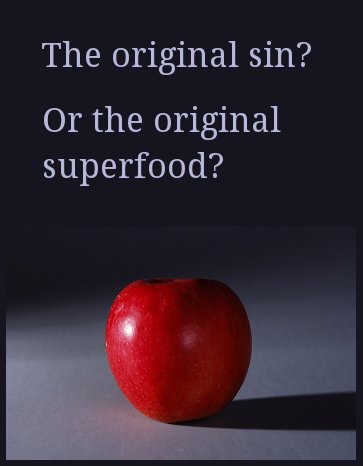
apples - superfoods to reduce high blood pressure

Apple photo by Illusive Photography on flickr.com

Superfoods get a lot of press these days. But you might have a few questions. What is a so-called “superfood”? Are there superfoods to reduce high blood pressure? And if so, what are they?

You might also have noticed that superfoods which get a lot of media attention tend to be quite exotic. Or certainly not foods you grew up with. So further questions might be: Where on earth can I get that superfood? And how can I afford it?!


What are superfoods?

Basically, “superfoods” are foods which are particularly high in certain nutrients. As a result, they have certain properties which are highly beneficial for your health.

Regarding blood pressure, superfoods to reduce high blood pressure are often foods which are high in the vitamins, minerals and antioxidants which are known to have blood pressure-lowering qualities.

Some of these are fairly exotic foods which you probably don’t grow in your garden and won’t find in your local grocers. For example, acai berries, which are harvested in the Amazon, have had plenty of media attention over the years. And they are indeed an excellent superfood to reduce high blood pressure (more on acai berries below). However, thankfully there are plenty of very ordinary foods which are similarly beneficial. Phew!


Ordinary superfoods to reduce high blood pressure

You might even have some superfoods in your kitchen cupboards already. Here are a few everyday foods which you’ll either have or already or which are easy to get which can help you lower your blood pressure.

Blueberries and other berries

Blueberries are blue because of pigments called anthocyanins. Anthocyanins are now known to confer various health benefits including lower blood pressure, more flexible arteries and lower risk of heart attack.

It’s not just blueberries either. Other deep-coloured berries are equally anthocyanin-rich: bilberries, blackberries (brambles), blackcurrants, cherries, cranberries, raspberries, strawberries. Researchers suggest that even one or two servings of berries a day can be enough to improve your cardiovascular health and blood pressure! Super.

Tomatoes

red food good for blood pressureRed foods such as tomatoes also contain a helpful pigment: lycopene. Lycopene is a powerful antioxidant. Antioxidants are good for your arteries and cholesterol levels, hence good for reducing blood pressure.

It’s also now thought that tomato products may help reduce inflammation, which is now thought be a significant factor in high blood pressure.

And tomatoes are also high in potassium which is important for blood pressure through counteracting the effects of salt.

Indeed, several studies now show that eating tomato products or taking tomato extracts can result in lower blood pressure.

Apples

An apple a day keeps heart disease away and maybe high blood pressure too. As well as being high in antioxidants, apples are also one of the fruits highest in soluble fibre – good for keeping healthy cholesterol and blood sugar levels.

Bananas

Bananas are high in potassium and very low in sodium so are extremely helpful in balancing the effects of sodium on blood pressure. They also have good amounts of other important vitamins and minerals and soluble fibre.

In the US, bananas are officially considered to “reduce the risk of high blood pressure and stroke”. However, keep in mind that they are very high in sugar. The amount of fibre they contain partly offsets the effect of their high sugar content on blood sugar levels but it’s best to eat them in moderation. Go bananas: Bananas and high blood pressure

Avocados

Avocados have loads of potassium, a lot of magnesium, and are full of monounsaturated fats which are good for the heart.

Nuts and seeds

In the past, nuts had an unhealthy reputation because of their high fat content. It’s true that nuts and seeds contain a lot of oils. However, they contain mostly unsaturated fats, the kind which are healthiest for the body.

Indeed, many nuts and seeds, especially almonds, walnuts and flax seeds, are rich in omega 3 fatty acids. Omega 3s can lower blood pressure and improve the health of the heart and blood vessels. As plant foods, nuts and seeds contain no cholesterol and can actually help lower cholesterol levels in your body. This is because they contain ‘phytosterols’ – plant compounds which have a similar structure to cholesterol and which inhibit the unhealthy forms of cholesterol from being absorbed in your body.

A review of 25 studies found that eating the equivalent of a couple of handfuls of nuts a day could lower cholesterol levels by over 7%. Good news for your arteries!

Nuts are also very rich in antioxidants, B vitamins and vitamin E as well as potassium, magnesium and various other minerals, which we are often not getting enough of. They are an excellent source of protein and many nuts contain a protein component – L-Arginine – which helps lower blood pressure.

Note: Nut and seed allergies are quite common and can be severe so keep this in mind if you’re preparing food for others, even if you’re not allergic yourself.

Garlic

As well as warding off vampires, garlic can also protect you from high blood pressure. A substance called ‘allicin’ has taken much of the credit for this, but the sulphuric compounds which give garlic its distinctive smell, are now thought to contribute to its beneficial effects.

These benefits include protecting the lining of the arteries, relaxing blood vessels, and thinning the blood (so it can flow more easily, with less risk of clotting). Garlic may also help lower ‘bad’ cholesterol levels. Studies show eating garlic or garlic supplements can lower blood pressure by 7-8%!

Oats

delicious ways to eat oatsAnd last but not least, the humble oat.

Who knew that eating porridge could lower your blood pressure? And reduce your risk of heart disease? And lower your cholesterol levels (levels of ‘bad’ HDL cholesterol)?

Not a very glamorous superfood but a superfood nonetheless.

Let’s not forget the (not so) humble acai berry

Now, acai berries may not be the cheapest or most locally available berries. However, they are still effective as a superfood to reduce high blood pressure. So let’s not ignore them completely.

Acai berries are extremely high in antioxidants (especially anthocyanins) and have anti-inflammatory properties. They’re also rich in monounsaturated fats, calcium, fiber, and vitamin A. All of these are known to be good for your health and blood pressure. However, there’s little research yet on the direct effects of acai berry on blood pressure.

Personally, I would spend my money on the cheaper superfoods!


Superdrinks to reduce high blood pressure?

With all these superfoods to reduce high blood pressure, you might be wondering if there are any superdrinks to reduce high blood pressure? The answer is, yes there are! Just click your way over to this article here: What to drink to lower blood pressure

To your good health,

Alison

Lower your blood pressure naturally (for less cost)

It’s not just berries, tomatoes, nuts, seeds, avocados, and oats which can lower your blood pressure. There are actually a huge range of affordable superfoods to reduce high blood pressure. Many of these spices, herbs, berries, fruits, grains, vegetables, meats and drinks are available in local stores.

Of course there are other factors beyond diet (like fitness and stress) that affect your blood pressure. So the best way to lower your blood pressure without drugs is to apply a broader approach – covering all causes and cures with natural home-based remedies.

As it happens, we’ve put together a guide to help you do this: Lower Your Blood Pressure Naturally – The Complete 9 Step Guide

lower your blood pressure naturallyThe guide contains simple and proven strategies for lowering your blood pressure and keeping it low through easy, effective and enjoyable changes in lifestyle.

These progressive steps are based on the principle that positive incremental change is always best in health matters.

Each chapter will take you further along the road of greater vigour and peace of mind (and a healthy blood pressure).

Click on the link below for more information:

Lower Your Blood Pressure Naturally Guide

P.S. This guide shows you how to lower your blood pressure permanently and naturally without side-effects or complications.

Follow each step to get your blood pressure back in balance.

Choose between a wide range of delicious foods that reduce your blood pressure. Include a number of mental and physical exercises in your schedule for both relaxation and invigoration.

Following this guide will reduce, and in time, eliminate your need for blood pressure lowering medications.

This is a guide for good healthy living and will be beneficial for all – even if you don’t currently suffer from high blood pressure.


1 2